How to Choose the Right Toner for Your Skin Like a Pro?
by LYL Admin, 09 May, 2025
Simple Skincare Truths by LY: Is Your Toner Helping or Harming Your Skin?
“What you leave on your skin daily matters as much as what you wash off.”
Many people use toners without truly understanding what makes a good one. This article breaks down how to assess a toner professionally—using LY Lotion Tonique as a benchmark. From solvents to preservatives, every detail matters in long-term skincare. Learn how to self-evaluate your current toner and make better-informed choices for your skin’s future.
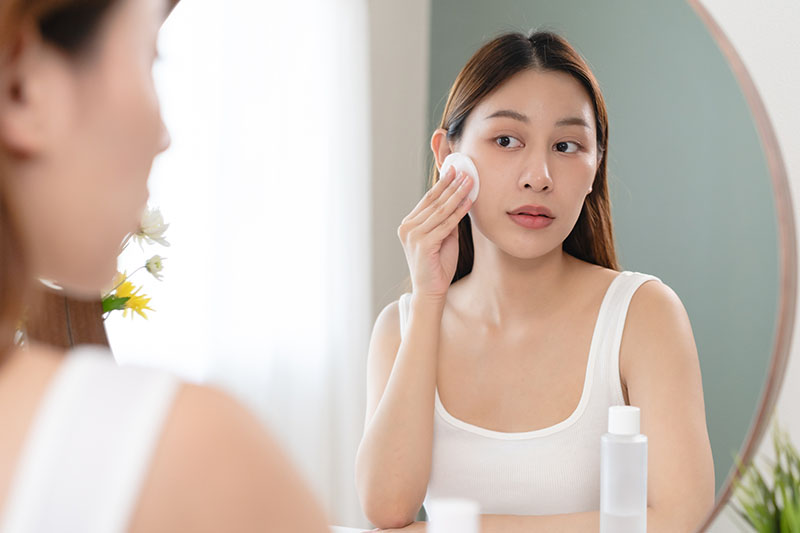
The Role of Toners in Modern Skincare
Toners are no longer just for stripping oil or shrinking pores. Today, a good toner:
- Prepares your skin to absorb serums and moisturizers effectively.
- Hydrates and calms after cleansing.
- Balances your skin’s pH.
- Supports your skin barrier.
But not all toners do these jobs equally well. Many still contain drying alcohol, artificial fragrance, or unnecessary fillers that do more harm than good—especially for sensitive or aging skin.
A Self-Assessment Checklist: What Should You Look For in a Toner?Here's how to professionally evaluate your toner:
|
LY’s Formulation Philosophy of Simplicity: Smart Ingredients, Clear PurposeEach ingredient in LY Lotion Tonique is chosen for a reason—no fluff, no filler. Every component plays a well-defined role in supporting skin health and long-term barrier resilience.
|
||||||||||||||||||||||||||||||||||||||||||||||
Why This Matters for Long-Term Skincare Health
Choosing the right toner is about more than short-term feel—it's about long-term function:
- Fewer Ingredients = Fewer Risks: Especially for sensitive or allergy-prone skin.
- No Alcohol or Synthetic Fragrance: Prevents disruption of your skin barrier.
- Botanical Base with Skin-Compatible Preservatives: Maintains balance, safety, and hydration.
- Supports Barrier Function: Essential for aging skin or those using actives (like retinol or acids).
|
.png)
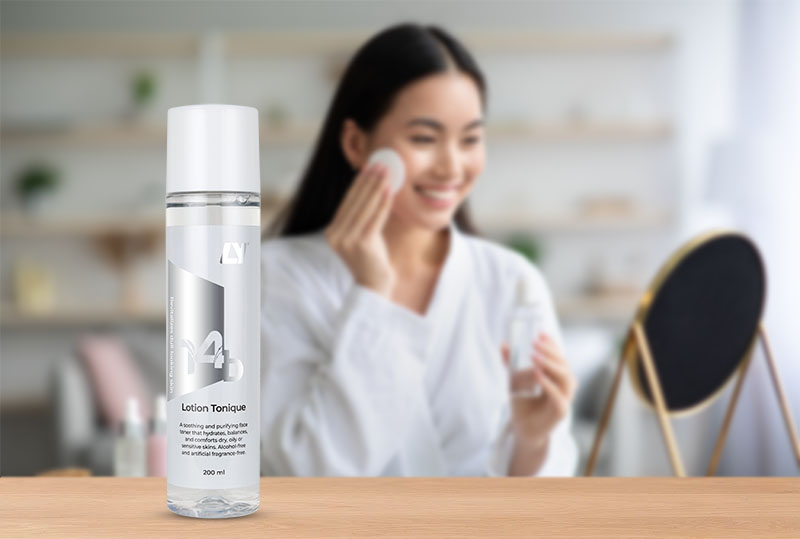
How to Use LY Lotion Tonique Effectively
- After cleansing, pour onto palm or cotton pad and press gently into skin.
- Follow with a serum or moisturizer while skin is still damp.
- Use morning and night for best results.
Its soothing rose scent comes naturally from the hydrosol—no perfumes added.
References
【1】 Chien, A. L. (2005). The use of natural rose extracts in dermatology. Journal of Cosmetic Science, 56(5), 427–435.
【2】 Surjushe, A., Vasani, R., & Saple, D. G. (2008). Aloe vera: A short review. Indian Journal of Dermatology, 53(4), 163–166.
【3】 McKay, D. L., & Blumberg, J. B. (2006). A review of the bioactivity and potential health benefits of chamomile tea (Matricaria recutita L.). Phytotherapy Research, 20(7), 519–530.
【4】 Heng, P. W. S., Chan, S. Y., & Lee, C. C. (2014). Humectants in cosmetic formulations: A comparative study. International Journal of Cosmetic Science, 36(5), 414–420.
【5】 Roh, M., Han, M., & Chung, K. Y. (2012). Topical dexpanthenol improves stratum corneum hydration and reduces TEWL. Skin Research and Technology, 18(4), 499–504.
【6】 Tian, X., Zhang, M., & Zhang, Q. (2015). Antioxidant capacity and protective effects of cactus extract on skin. Journal of Ethnopharmacology, 168, 278–285.
【7】 Kim, J. Y., & Lee, Y. J. (2019). Role of butylene glycol in enhancing the dermal delivery of active ingredients. International Journal of Pharmaceutics, 565, 293–300.
【8】 Huang, W., Zhang, Y., & Wang, L. (2009). Safety evaluation of preservatives used in cosmetics. Regulatory Toxicology and Pharmacology, 53(1), 71–77.
【9】 Draelos, Z. D. (2011). Cosmetic Dermatology: Products and Procedures. Wiley-Blackwell.
Other Articles
How LY Vital-G Body Maintenance Cream Su...
The LY Vital-G Body Maintenance Cream, formulated with Glucosamine and MSM, is designed to promote j...
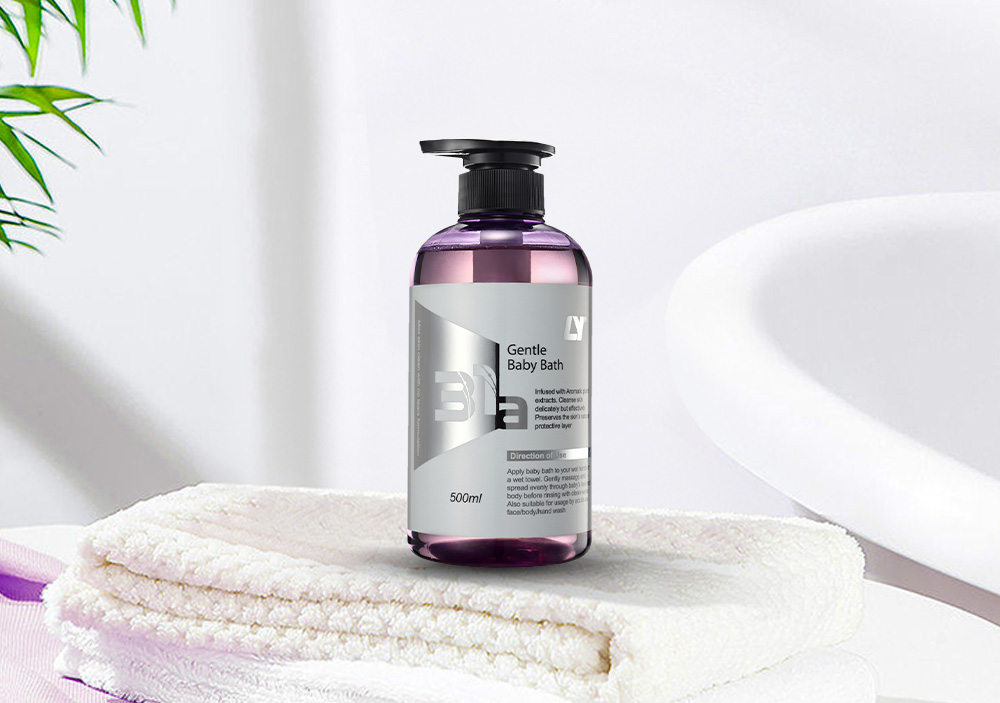
LY 31a Gentle Baby Bath
Discover the secret to radiant, healthy skin with LY 31a Gentle Baby Bath – gentle for babies ...
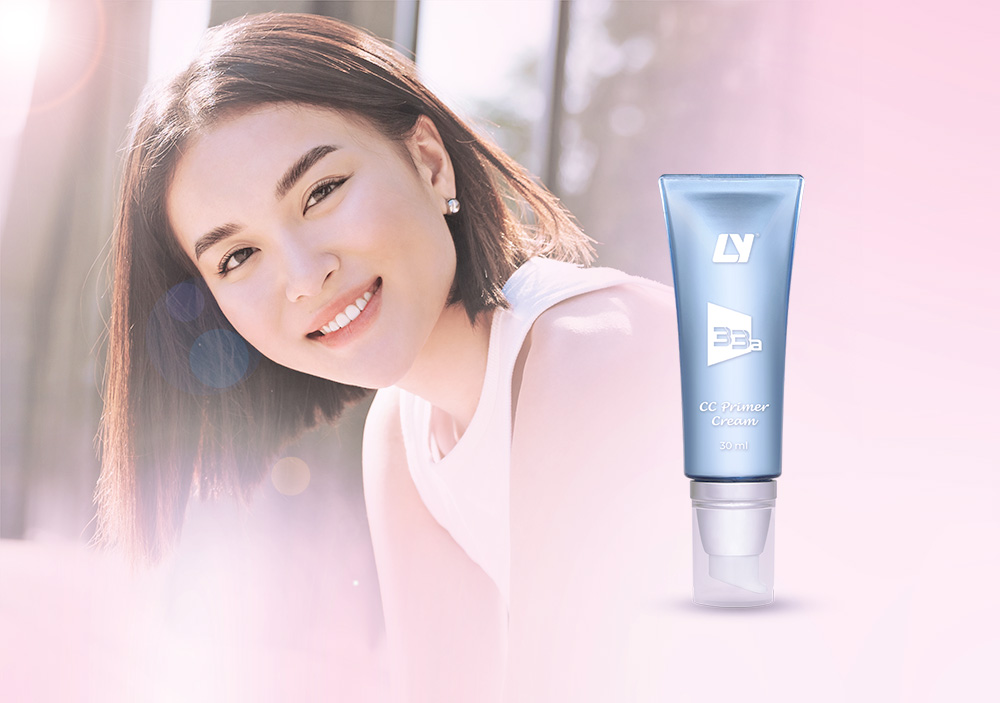
Perfect No-Makeup Makeup Look with LY An...
Discover LY Anti-Aging CC Primer Cream – the effortless beauty essential that hydrates, protec...
Natural Fluoride-Free Toothpaste | LY De...
Oral health is vital to overall well-being, yet many mainstream products rely on abrasive chemicals ...